Philosophy
Privacy begins with a boundary.
Not another password. Not another privacy policy. A deliberate separation between your most personal information and a world that is always connected.
Chapter I
The missing door
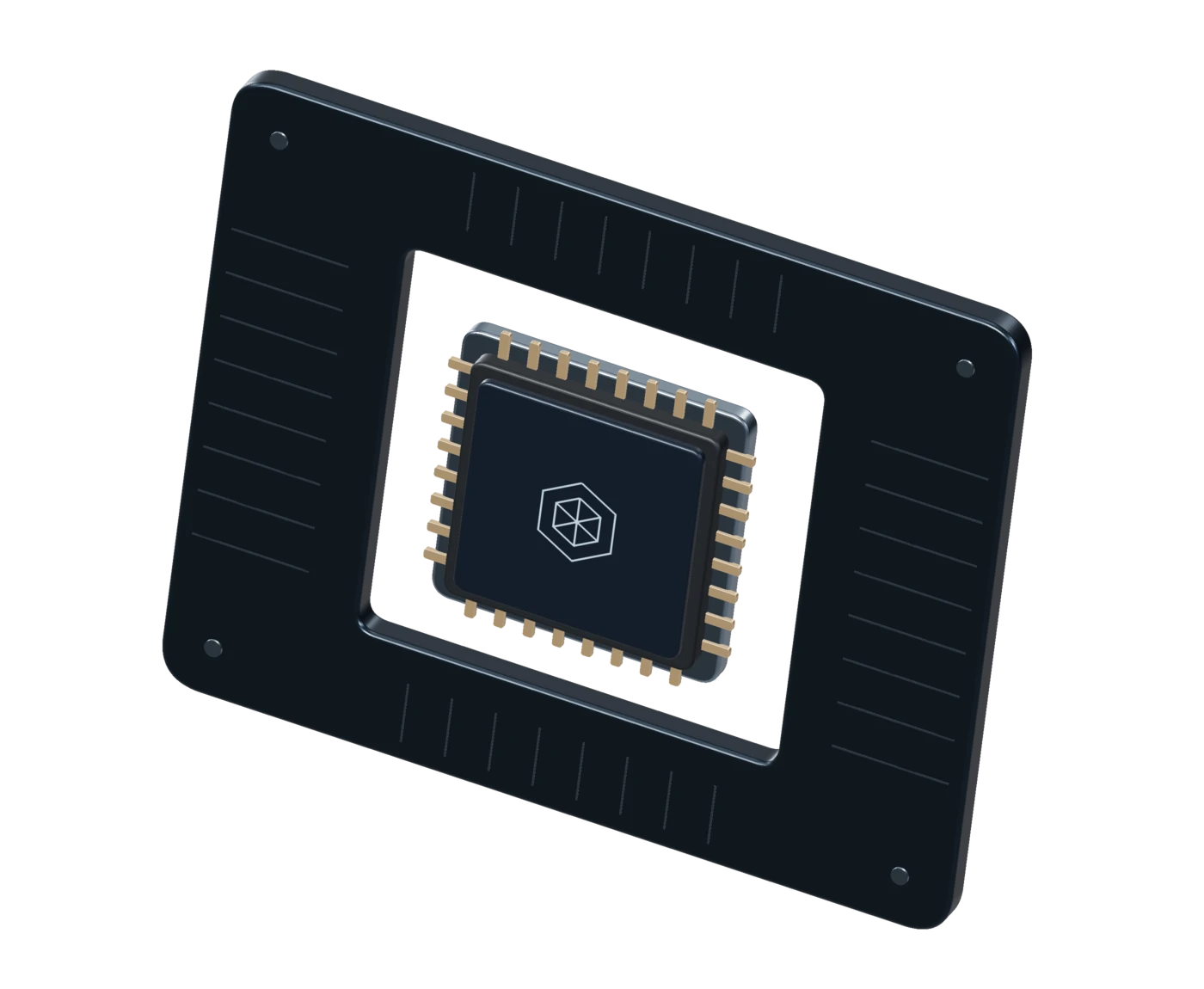
The most important part of Inklave is something we didn't put in. No Wi-Fi. No Bluetooth. No cellular. No NFC. Not a setting you might forget, but hardware that isn't there. Removing a wireless interface is a different decision from promising to secure one.
Chapter II
Trust has to start somewhere.
We start beneath the operating system. Dedicated secure hardware protects master keys. OP-TEE separates sensitive operations. LUKS2 and NIST-standardized post-quantum cryptography protect stored information. Established standards, with distinct jobs. No secret algorithm you have to take our word for.
LUKS2 / NIST-standardized PQC / OP-TEE
Chapter III
Owned, not rented
Your documents shouldn't need a company's permission to exist. Your vault works without a cloud account, a remote login, or our servers. Its contents stay with your hardware and the offline backups you choose to keep. The relationship is between you and your information. We don't need to be in the middle.
Try the boundary
Where does the boundary hold?
Different threats need different boundaries. Explore the thinking behind each.
The physical air gap
Remove the wireless route in.
A disabled radio is still a radio. Inklave leaves wireless hardware off the board entirely, removing the Wi-Fi, Bluetooth, cellular, and NFC interfaces a remote attacker could otherwise target.
A boundary, not a magic shield.
No responsible security design promises to solve every threat. Physical care, safe transfers, trusted firmware, and a recovery plan still matter. An air gap narrows the attack surface. It doesn't remove the need to think about the rest.